A sense of place
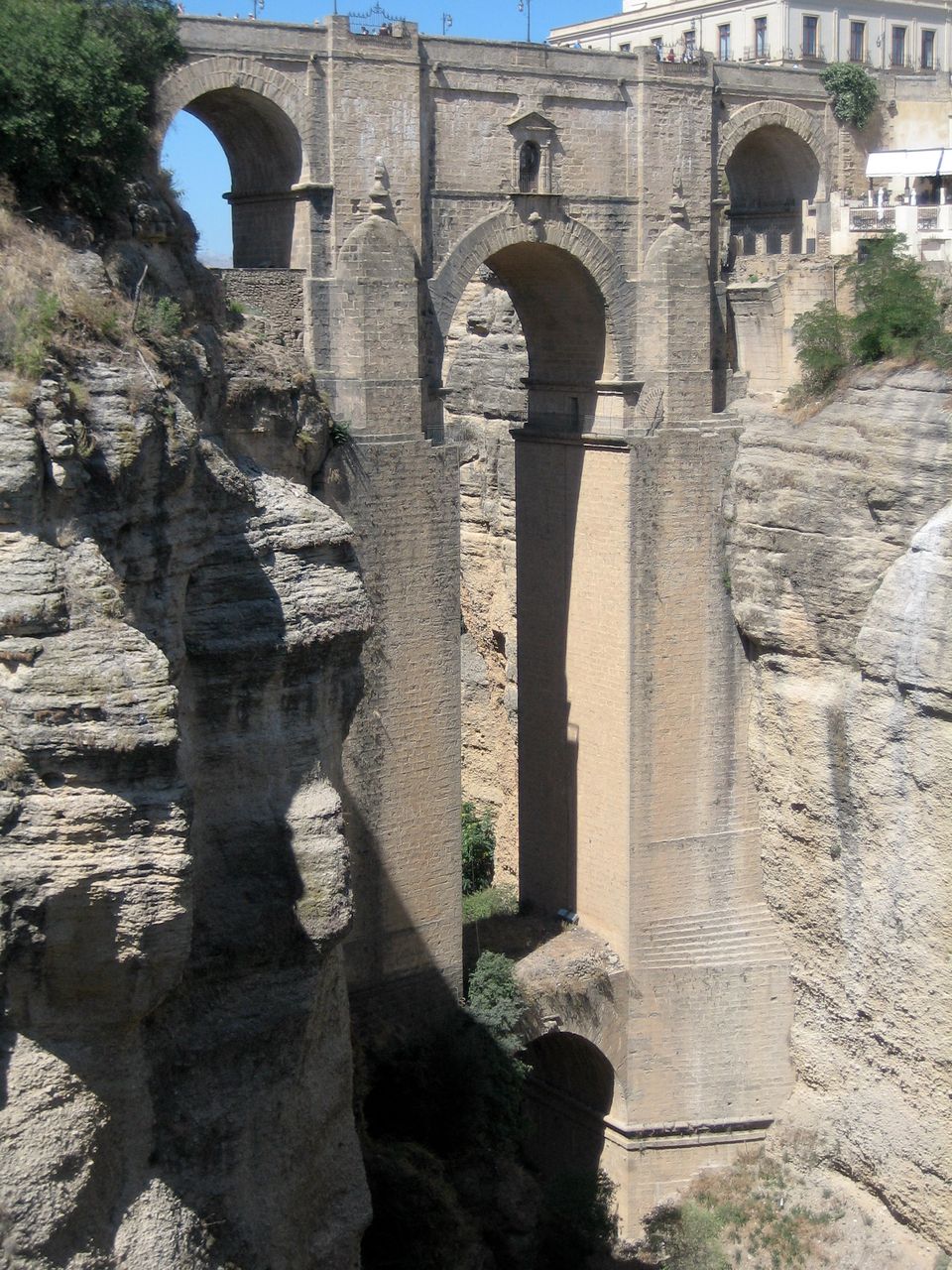
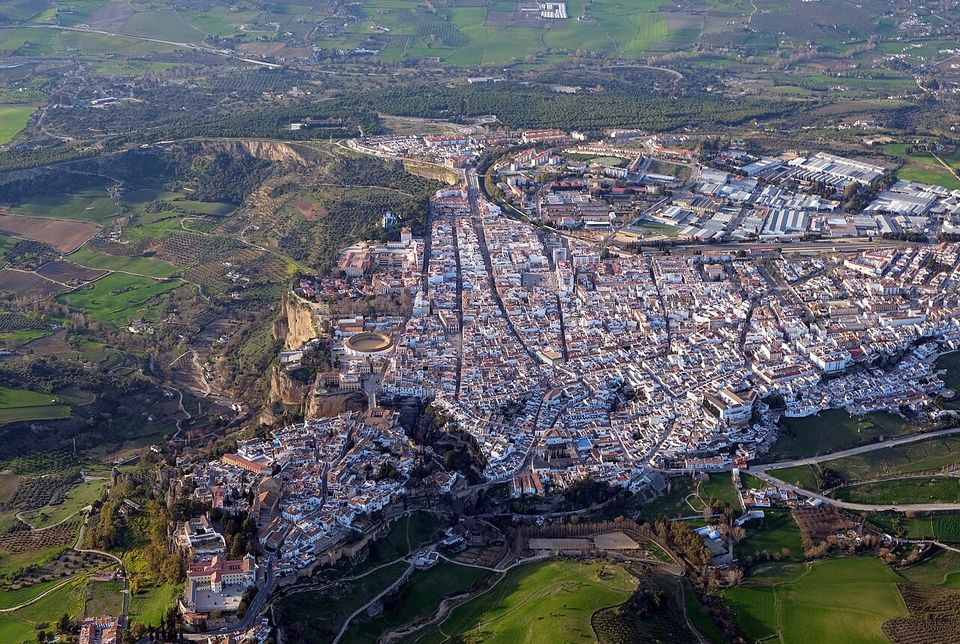
Ronda’s defining feature is the gorge dividing the town. Its bridges connect different parts of the historic streetscape and make the landscape part of the visit.
History and culture
The gorge is more than scenery: it shaped how Ronda grew and defended itself. The older quarter lies south of the Guadalevín, with a medieval street pattern and Islamic architectural traces; later urban growth developed to the north. Surviving gates such as Almocábar reveal the former fortified town. Walking between the bridge, old streets and walls therefore explains the city’s history through its geography rather than isolated dates.
What to see
See Puente Nuevo from the town’s designated viewpoints, then cross into the old quarter. Explore its quieter lanes before considering an optional museum or historic interior. Puente Nuevo is the obvious landmark, but continuing into the southern old quarter changes the experience from a viewpoint stop into a town visit. Look for the preserved walls and Almocábar gate to understand the old approaches. The Church of the Holy Spirit adds a later religious layer in the fortified setting. Choose official viewpoints for the gorge; a lower path is an optional physical outing, not a required photo stop.
With children
Keep children close at viewpoints and use established paths. A short bridge-and-old-town loop is more manageable than adding a steep descent into the gorge.
A suggested day
Suggested day: central viewpoints → Puente Nuevo → old-town lanes → lunch → one optional interior. Leave an unhurried margin for the inland return drive.
Good to know
Wear comfortable shoes and check conditions before any gorge path. Mountain-road travel and parking can make this a fuller day than the distance suggests.