A sense of place
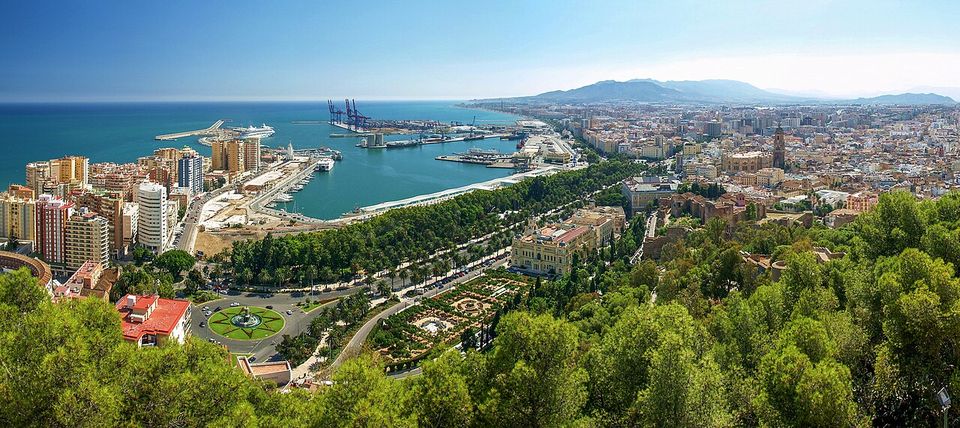
Málaga combines a living historic centre with major art collections and a working waterfront. Choose one cultural anchor so the day leaves room for streets, squares and food.
History and culture
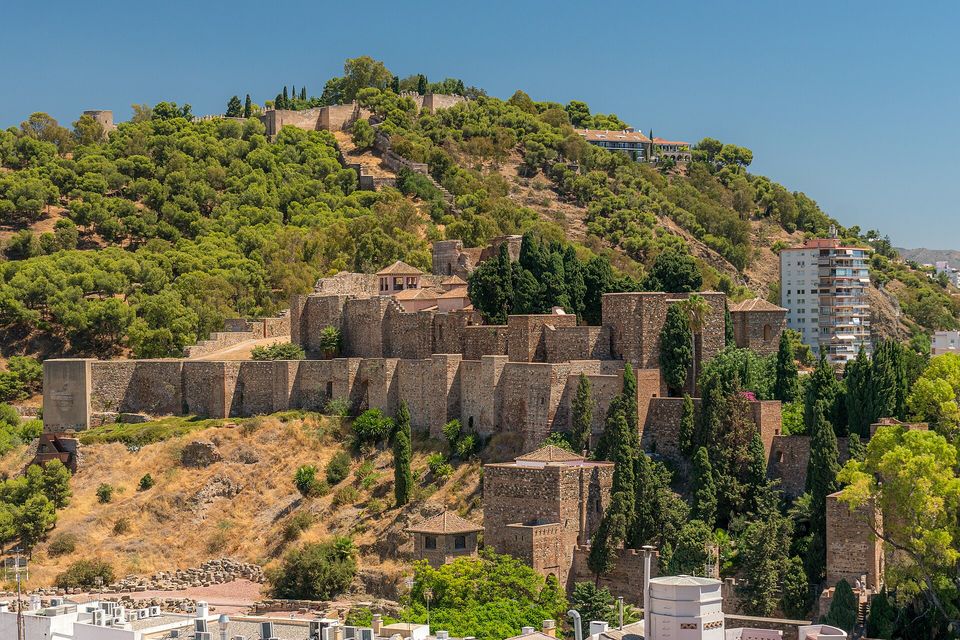
Málaga’s centre makes several historical periods visible within a small area: the Roman Theatre lies below the Islamic Alcazaba, while the cathedral marks a later Christian city. Gibralfaro adds another defensive viewpoint above the urban centre. The city is also Picasso’s birthplace, giving its modern museum scene a personal local connection. These layers explain why Málaga works as a cultural day rather than merely an airport gateway.
What to see
The Roman Theatre and Alcazaba make a natural pairing. For an art-led day, choose Museo Picasso Málaga instead, then wander towards the cathedral and waterfront. For architectural detail, compare the theatre’s open remains with the Alcazaba’s fortified setting, then look at the cathedral from the surrounding squares. Art visitors can choose the Picasso collection or a different museum such as Carmen Thyssen rather than attempting both automatically. Atarazanas Market offers another view of city life when open. Gibralfaro is a deliberate uphill addition, not simply the next flat street.
With children
Families may prefer one museum or monument, followed by open-air time. The Alcazaba involves climbing; a waterfront walk offers a gentler alternative.
A suggested day
Suggested day: Roman Theatre and Alcazaba, or Picasso Museum → old-town lunch → cathedral surroundings → waterfront. Reserve any timed attraction before fixing the rest of your plan.
Good to know
Check official tickets and accessibility for each attraction. Carry water, avoid overloading a hot afternoon and allow time for your return journey.