A sense of place
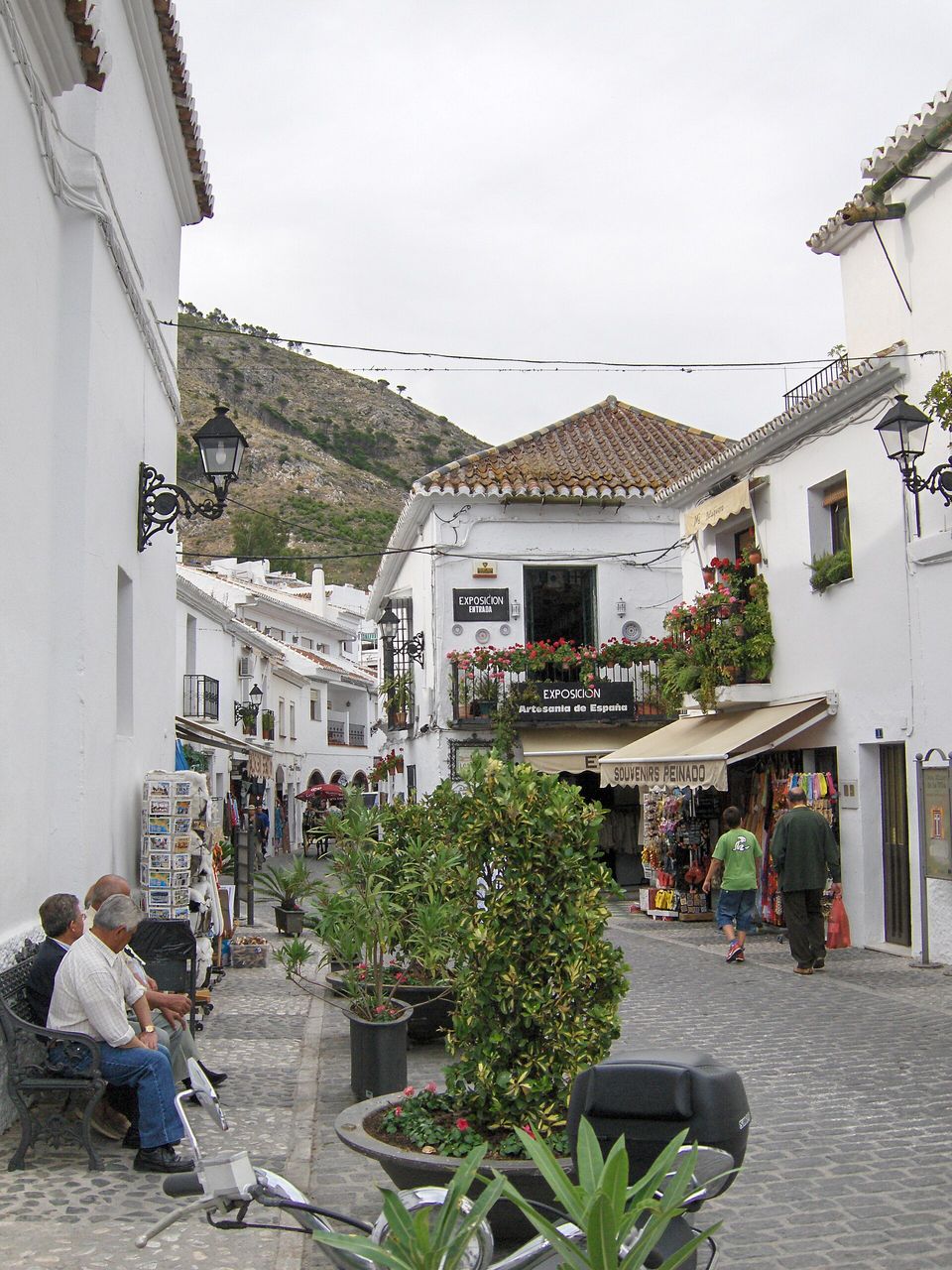
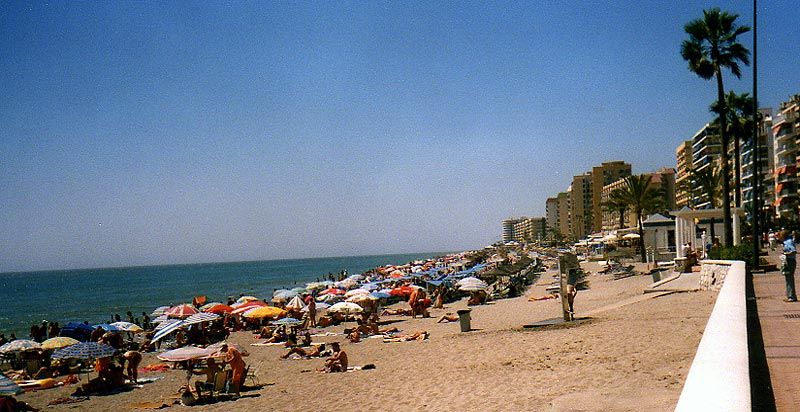
Mijas Pueblo is the hillside village rather than the coastal resort of La Cala. Whitewashed lanes, small squares and sea-facing viewpoints make it a rewarding contrast to a beach day. Leave room to wander: this is a place to notice flowerpots, doorways and the changing light, rather than rush between monuments.
History and culture
The village’s street pattern reflects its Islamic past, while churches and hermitages mark later chapters. The historic centre received protected status in 1969. Around La Muralla, former defensive ground now frames gardens and coastal views. For another perspective, the Casa Museo introduces everyday village life and traditional occupations. This combination of domestic detail, religious heritage and defensive landscape gives Mijas more depth than its familiar white-village postcard suggests.
What to see
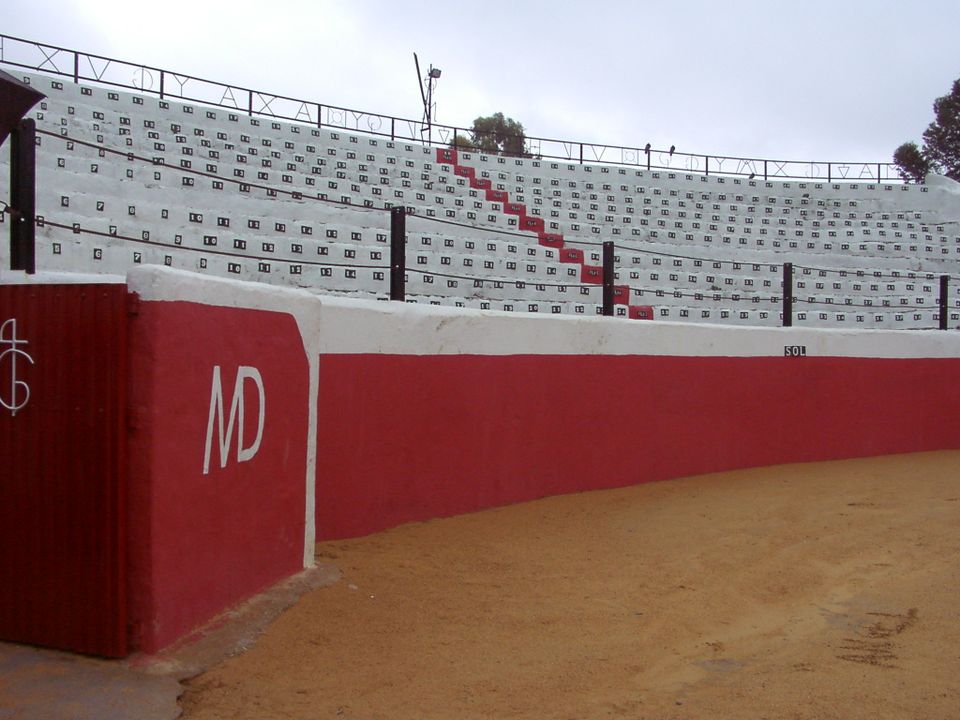
Visit the Virgen de la Peña hermitage and the gardens of La Muralla, then the historic Plaza de Toros on Paseo de las Murallas. Built in 1900, the bullring has an unusual oval shape. Follow the official visitor information for current access; this guide makes no claim about current bullfighting events.
With children
Carromato de Mijas, on Avenida del Compás, displays miniatures from more than 50 countries. Pair this small museum with the La Muralla gardens and viewpoints. Check visiting arrangements directly with the museum operator.
A suggested day
Suggested half-day: Virgen de la Peña → central lanes → Plaza de la Constitución → La Muralla gardens → a relaxed lunch. Treat this as a flexible walking idea, not a booked tour or a promise of access to every building.
Good to know
Wear shoes with grip, carry water and allow time to find parking. In warm weather favour the cooler part of the day. Consult the municipal tourism office for current events, access and local walking advice.