A sense of place
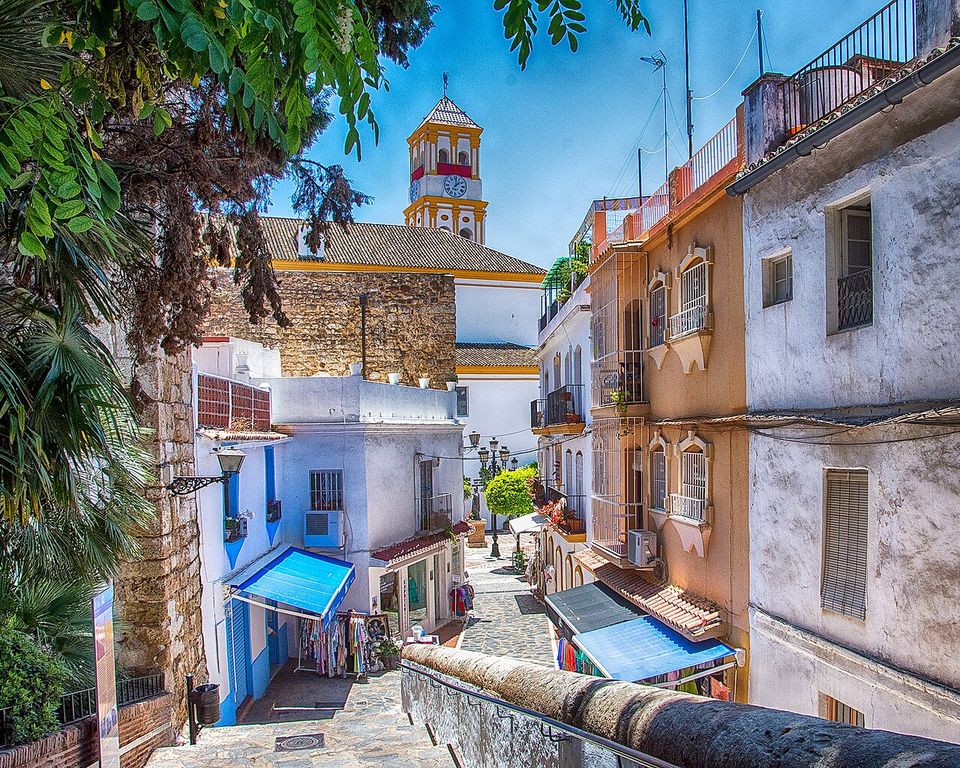
Marbella rewards visitors who look beyond its resort reputation. The old town’s lanes and squares offer a different atmosphere from the seafront.
History and culture
Marbella’s older identity survives in the medieval street pattern and fragments of its Islamic castle and walls. These remains are a useful counterweight to the modern resort image. The old quarter’s white houses and orange-tree squares belong to an Andalusian urban tradition rather than a marina development. Read the town in layers: defensive walls, religious buildings, small domestic streets and, beyond them, the contemporary seafront.
What to see
Explore around Plaza de los Naranjos, then follow your curiosity through the nearby lanes. Pair the old town with a coastal walk rather than a packed shopping schedule. Look for surviving castle walls within the old-town street network: their position makes the former defensive town easier to imagine. Plaza de los Naranjos works as a pause between lanes, while the seafront gives the visit a more open finish. The interest lies in the contrast between these settings, so you need not add a ticketed attraction to make the outing worthwhile.
With children
Parque del Mediterráneo, beside Playa El Pinillo, has a children’s play area and beach sports spaces. Aventura Amazonia in Elviria is another option listed by Marbella Tourism; check its current age, height and booking requirements directly before planning a visit.
A suggested day
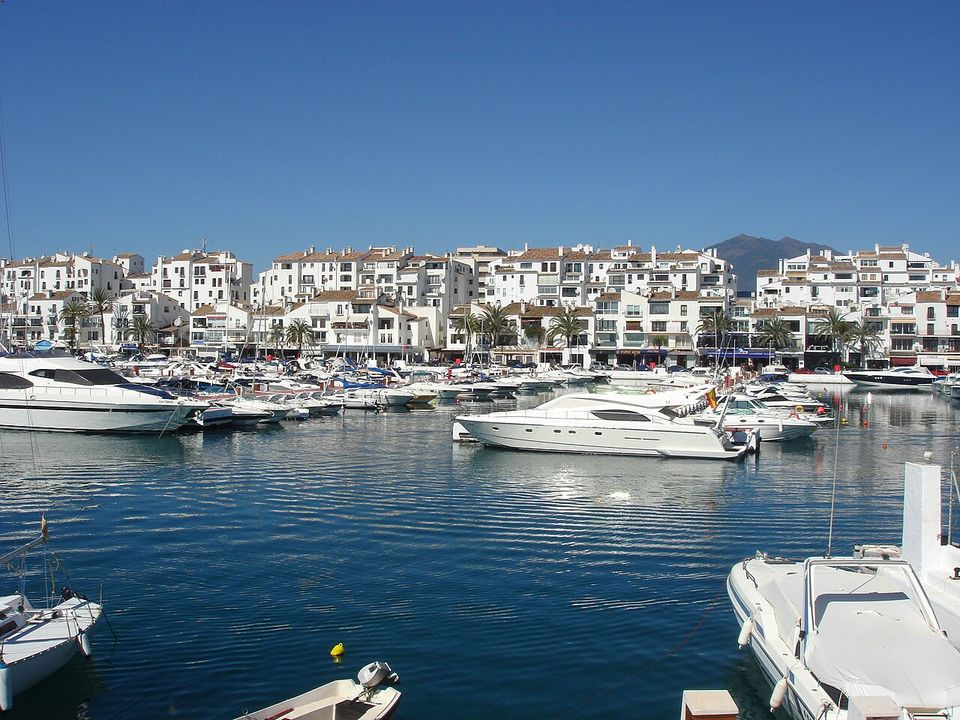
Suggested half-day: old-town lanes → Plaza de los Naranjos → lunch → seafront. Visit Puerto Banús separately if you want time at the marina.
Good to know
Park outside the tight historic lanes and walk in. Check venue hours directly; summer heat makes shaded pauses worthwhile.