A sense of place
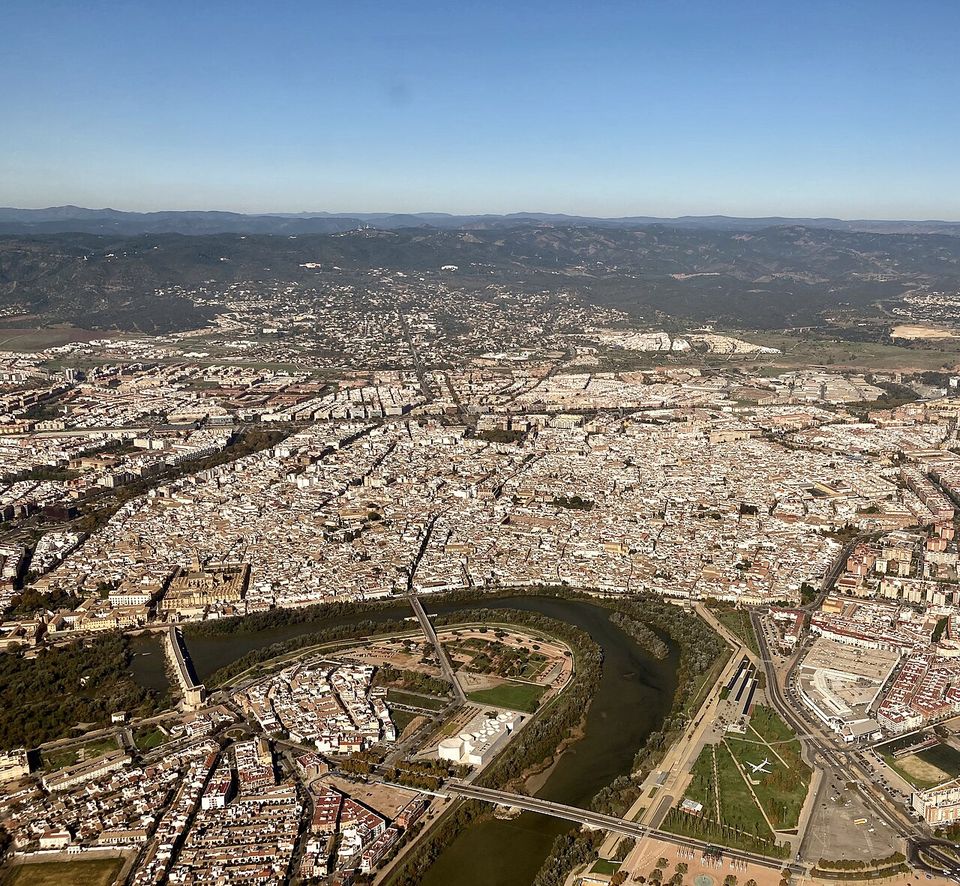
Córdoba’s historic centre brings together monumental architecture, lanes and courtyards. A longer inland day is worthwhile when you give the city time rather than treating it as a single-photo stop.
History and culture
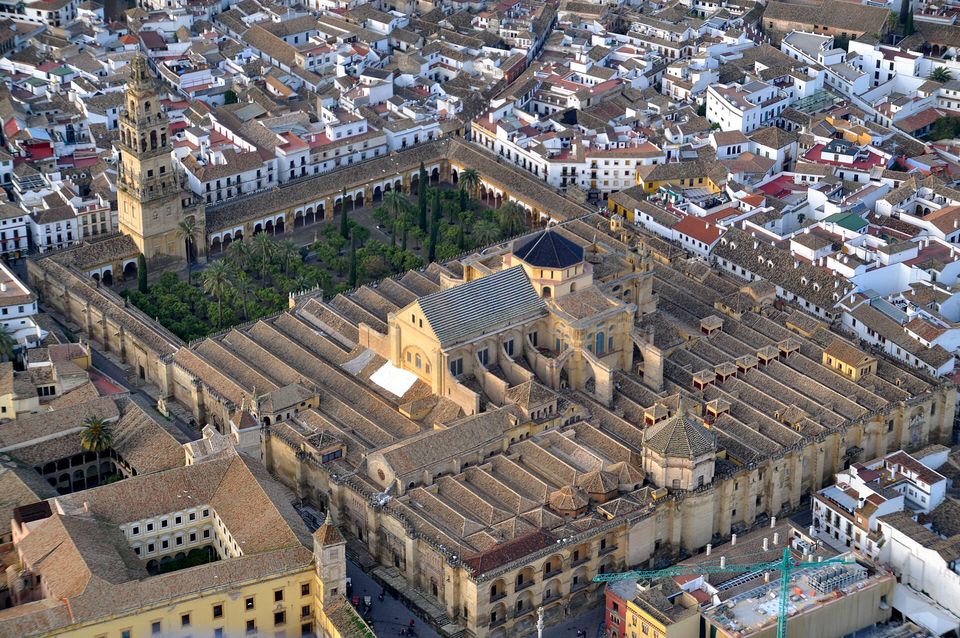
Córdoba’s importance is inseparable from its Roman, Islamic, Jewish and Christian layers. The Mosque-Cathedral is the most visible architectural meeting of periods, but the historic centre’s significance extends into streets, courtyards, defensive works and the river crossing. UNESCO recognises that wider urban heritage. Understanding the city as a connected historic landscape helps explain why a thoughtful walk around the main monument matters almost as much as the interior visit.
What to see
Make the Mosque-Cathedral your main planned visit, then explore the surrounding old streets and Roman Bridge. Courtyards are not all public or always accessible; use official information for visits. The Roman Bridge gives space to look back at the old city, while the Judería’s smaller lanes change the scale of the visit. The synagogue and Alcázar are additional historical anchors if you have time and confirmed access. Medina Azahara is an important archaeological destination outside the centre, requiring separate planning rather than a casual extension of the same walk. Choose depth in the old quarter before adding more distant sites.
With children
Families should allow a slow meal and shaded rests between sights. A compact route around one monument is more comfortable than trying to cover the whole city in summer heat.
A suggested day
Suggested day: pre-booked Mosque-Cathedral → old-quarter walk → lunch → Roman Bridge. Save additional museums and courtyard visits for a longer stay.
Good to know
Read the monument’s official entry and conduct guidance before visiting. Carry water and sun protection, check current temperatures and plan the long return journey without rushing.